
Psychiatrist. Writer. Cultural critic.
Dr. Pooja Lakshmin brings clinical rigor and structural honesty to conversations about care, ambition, identity, and change.
Her original Quantum Shifts framework helps individuals and organizations navigate the moments when the old rules stop working.
The path here was not a straight line.
Pooja is a board-certified psychiatrist, bestselling author, and Clinical Assistant Professor of Psychiatry at the George Washington University School of Medicine. After training at Stanford and George Washington University, she joined the GW faculty in 2016, first serving as a full-time faculty member before moving into private practice. Across nearly two decades of medical training and psychiatric practice, she has spent thousands of hours caring for people navigating anxiety, burnout, perfectionism, and major life transitions.
Her path into her life’s work was not linear. In her twenties, Pooja stepped away from medicine and spent two years immersed in a wellness community—an experience that transformed how she understood agency, power, and the limits of individual solutions. She returned to psychiatry committed to naming the systems around us and how they impact the symptoms we may experience.
Pooja earned a BA in Women’s Studies and the Biological Basis of Behavior from the University of Pennsylvania and an MD from Jefferson Medical College. Her additional training spans qualitative research, narrative approaches to trauma treatment, global mental health, Acceptance and Commitment Therapy, and psychodynamic psychotherapy.
Pooja’s writing has been published regularly in The New York Times, and she is a frequent voice in national conversations about mental health, care, ambition, and identity. She has been featured on NPR, The Ezra Klein Show, We Can Do Hard Things, and The Mel Robbins Podcast.
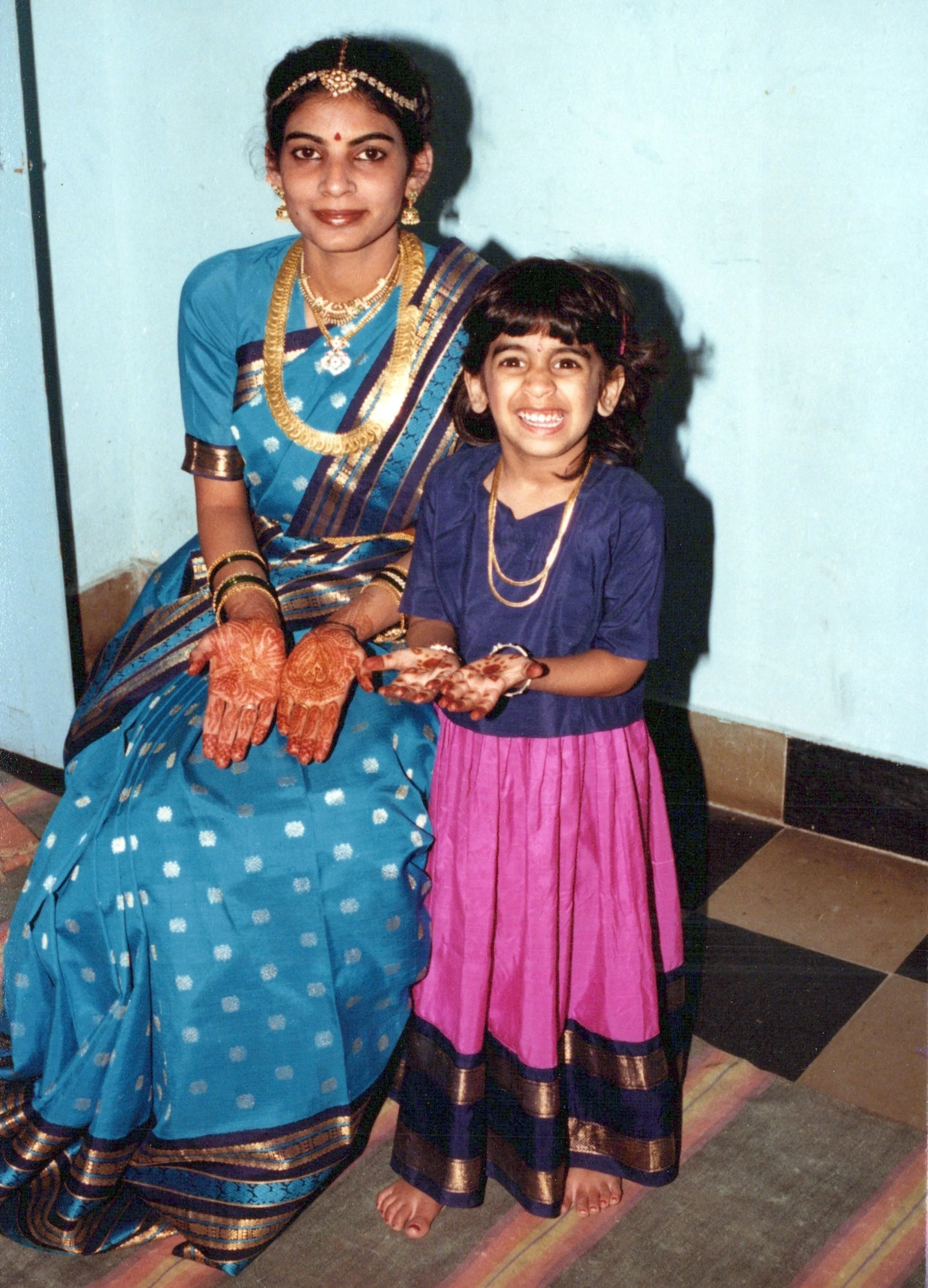
Born and raised outside Philadelphia, Pooja is the daughter of Indian immigrants and a mother of three. She now lives in Austin, Texas. Her hobbies include eating her husband’s sour cream enchiladas, taking commands from her one-year-old twins, and rewriting a sentence over and over until it finally says what she meant.
Pooja’s work is grounded in a simple belief: people deserve language that helps them understand their lives without blaming themselves for the structures shaping them.